

Share This Post
Cigars can suffer damage from improper storage or exposure to dry air, leading to a loss of flavor and an unpleasant smoking experience. This article focuses on how to rehydrate cigars safely and effectively. Whether you have a prized collection or a casual stash, understanding how to revive dry cigars can save both money and enjoyment. Here, you will learn what happens when cigars dry out, how to rehydrate cigars, and ways to keep them fresh even without a humidor.
What Happens If a Cigar Is Dry?
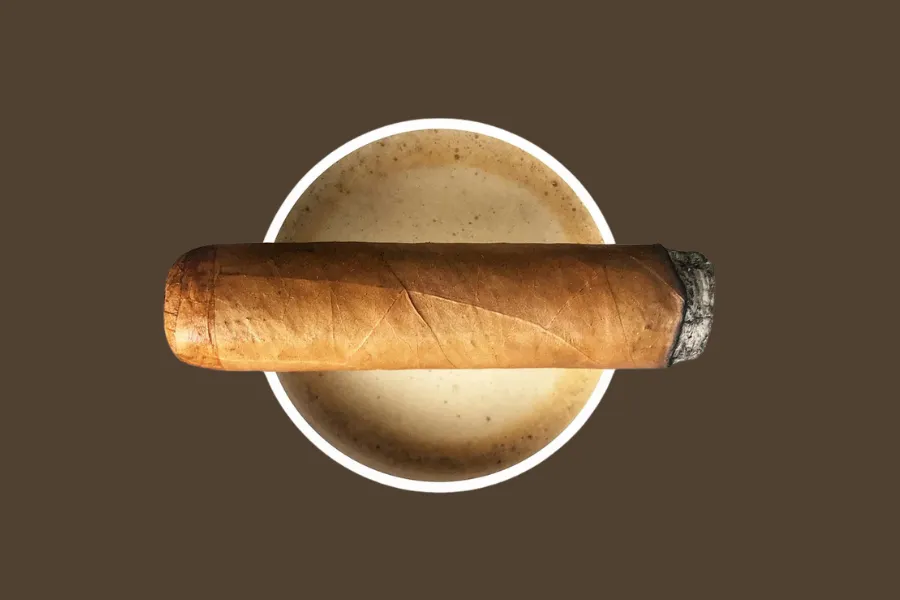
Dry cigars undergo several physical and chemical changes that negatively impact their smoking quality and aesthetic value. Understanding what happens if a cigar is dry helps highlight the importance of maintaining proper humidity. The effects include the following:
Loss of Flavor
When cigars dry out, they lose essential oils and aroma compounds that contribute to their rich flavor profile. These oils are responsible for the cigar’s taste and mouthfeel, and when they evaporate, the cigar becomes bland and unappealing.
Harsh Smoke
Dry cigars burn faster and hotter because the absence of moisture causes the tobacco to combust more aggressively. The result is a harsh, bitter smoke that can irritate the throat and reduce enjoyment.
Cracking and Crumbling
A significant decrease in moisture makes the cigar wrapper brittle. Dry wrappers are prone to cracking, splitting, or crumbling when handled, which detracts from the cigar’s structural integrity.
Difficulty in Lighting
Dry cigars can be challenging to light evenly. The fast combustion rate caused by dryness leads to uneven burning and inconsistent ash formation, frustrating many smokers.
Burn Issues
Uneven burn lines or “canoeing” are more likely with dry cigars. This means certain areas burn faster than others, producing an unpleasant smoking experience and wasting tobacco.
Reduced Draw
A dry cigar often results in a tighter draw, making it harder to pull smoke through the cigar. This affects airflow and reduces the smoothness that smokers expect.
Overall Devaluation
From both a market and personal perspective, dry cigars lose value due to damage and flavor loss. Collectors and smokers alike view dry cigars as compromised products, often relegated to being discarded.
Can You Rehydrate Cigars?
Many cigar aficionados ask, can a cigar be rehydrated once it has dried out? The answer is yes, but the success of rehydration depends on several factors:
Degree of dryness
If cigars are only slightly dry, they can usually be restored to near optimal condition. However, if cigars are severely dry, they may not fully recover their flavor and appearance.
Overall integrity
If the wrapper or binder becomes too brittle and develops cracks or holes, rehydration may not fully repair the damage. However, even in such cases, the cigar can still be smoked, though its quality will be diminished.
Moisturizing speed
Slowly rehydrating allows the cigar to absorb moisture in an orderly manner, thereby reducing the risk of damage such as tearing or mold growth.
The correct approach
Using appropriate techniques, such as controlled humidity environments and avoiding direct water contact, helps ensure the best results.
How to Rehydrate Cigars?
Knowing how to rehydrate cigars is essential if you want to restore dried cigars to a condition suitable for smoking. Proper rehydration requires attention to detail and patience. Follow these steps to rehydrate cigars:
Assess the Dryness of the Cigars
Before starting, carefully check the firmness of the cigars. If cigars feel hard and brittle when gently squeezed, they need slow rehydration. If they are slightly dry but still somewhat pliable, they can be rehydrated faster.
Use a Controlled Environment
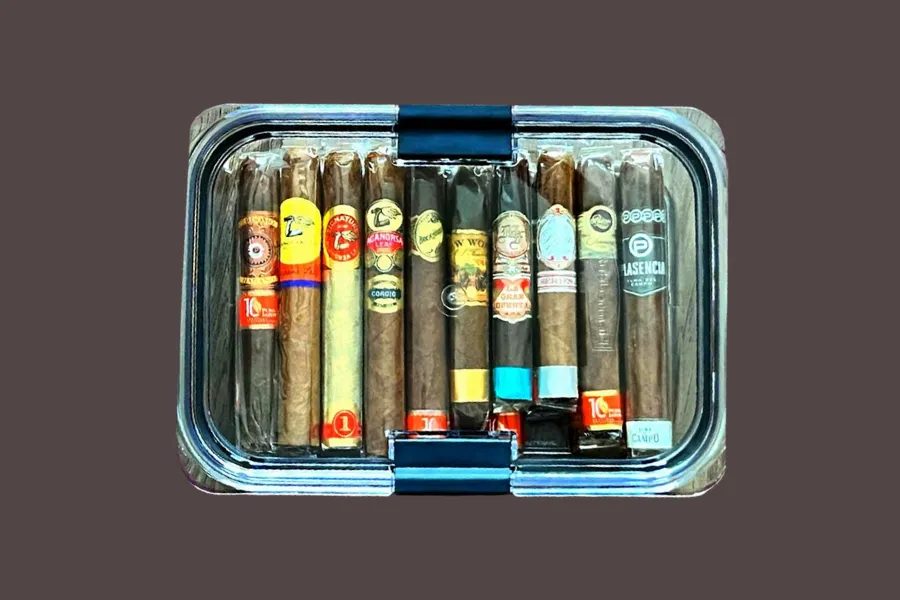
Place cigars inside a sealed container, such as a plastic box or Tupperware. Introduce a source of humidity to the container. Suitable sources include a humidity pack designed for cigars, or a damp sponge or cloth placed in a separate compartment. The target relative humidity should be between 65 and 70 percent for steady and safe rehydration.
Avoid Direct Contact with Moisture
Never let cigars touch water, sponge, or any damp surface directly. Moisture contact causes damage and promotes mold. Place the humidification source away from cigars so that the moisture evaporates into the container air evenly.
Maintain Consistent Humidity
Keep humidity steady throughout the process by adjusting the humidifying element. Consistency supports uniform moisture absorption.
Wait Patiently
Allow the cigars to acclimate and absorb moisture slowly. This can take anywhere from several days to a few weeks, depending on dryness. It is better to wait longer than to rush and risk damage.
Check and Monitor Regularly
Open the container once every few days to check humidity levels and examine the cigars. Remove any cigars showing spots or malformations. Monitor moisture levels using a hygrometer to adjust humidity if necessary.
Transfer and Store Properly After Rehydration
Once the cigars have regained suitable moisture, move them to a proper humidor or other ideal storage space with consistent 65 to 70 percent humidity. This helps maintain freshness and prevents drying out again.
How long to rehydrate cigars?
How long to rehydrate cigars due to various factors. Here’s how long it takes for different dried cigars to recover:
Mildly Dry Cigars
These can often be rehydrated within about 3 to 7 days by placing them in a controlled humidor environment at the proper humidity level. These cigars might still have some moisture and oils left, so they respond quickly to humidity restoration.
Moderately Dry Cigars
These require a longer period, typically 2 to 4 weeks of gradual rehydration. The moisture needs to penetrate deeper into the cigar, reaching the inner filler leaves as well as the wrapper, which takes time to avoid damaging the cigar’s structure.
Severely Dry Cigars
If a cigar is very dry, it can take up to 6 weeks or even 2 months to rehydrate properly and safely. The rehydration should be gradual to prevent the wrapper from cracking or splitting due to sudden moisture changes.
Very Dry or Damaged Cigars
In cases where the cigar is extremely dry and the oils have evaporated, or the wrapper is cracked, rehydration might not be successful and can take even longer or be impossible.
In summary, depending on how dry the cigar is, it can take anywhere from a few days to two months to bring back a dry cigar to a proper smoking condition, with slow, controlled humidification being the key for all cases.

How to Fix a Dry Cigar Quickly?
In some cases, you might want to fix dry cigars fast because you have an immediate smoking event or limited time. While slower is safer, these methods can help revive cigars quickly:
The Damp Towel Method
Loosely wrap the cigar in a slightly damp cloth or paper towel. Place the cigar in a sealed plastic bag or an airtight container for several hours. Check frequently to avoid over moisturizing.
Use a humidification container
Place the cigars in an airtight box or humidor, along with a humidity control pack, maintaining humidity between 65 and 70 percent. In such an environment, cigars typically regain moisture within 24 to 48 hours.
Use an Electronic Humidifier
Small electronic devices can generate controlled humidity to speed the process without saturating the cigars.
Quick fixes are temporary solutions and do not restore full cigar quality or the aging process. Smoke cigars soon after fast rehydration for the best experience.
How to Keep Cigars Fresh Without a Humidor?
Not every cigar lover owns a traditional humidor, but cigars require proper storage to stay fresh and enjoyable. Here are effective ways to keep cigars fresh without a humidor:
Use a Sealed Plastic Container
Store your cigars in an airtight plastic container or Tupperware. Add a small humidification pack or a damp paper towel inside to help maintain moisture levels.
Wrap Cigars in a Humidified Cloth or Paper
Before storing, wrap cigars loosely in a slightly damp cloth or paper towel to help retain humidity around the leaves during storage.
Store in a Cool and Dark Place
Avoid heat and light, as these factors cause cigars to dry out faster. A drawer or cabinet away from sunlight is ideal.
Use Humidity Packs Designed for Cigars
These humidity control packs regulate humidity to prevent over moisture. They are easy to use and can be placed directly into containers or plastic bags.
Double Bagging Technique
Place cigars inside sealed plastic bags, then place those bags inside another airtight container with humidity packs for better moisture control.
DIY Humidor Options
You can create a makeshift humidor using airtight boxes or coolers with humidification packs for short-term storage.
When using the above methods, please note the following precautions:
Regularly Open and Rotate Cigars
Check stored cigars frequently for signs of dryness or mold. Rotate them to help even exposure to humidity.
Avoid Refrigerators and Freezers
While cool, these environments are too dry and can cause cigars to dry out or develop condensation, leading to mold or cracks.
Conclusion
Rehydrate cigars effectively to restore moisture and salvage your smoking experience. Dry cigars suffer from flavor loss, uneven burning, and fragile wrappers. Fortunately, cigars can be rehydrated through slow and steady moisture introduction. Whether you have a humidor or not, there are multiple ways to keep cigars fresh and prevent dryness. Always handle cigars gently and allow enough time for rehydration. Proper storage and maintenance will help you enjoy cigars in their best form.
FAQ
Can a cigar be rehydrated after long periods of dryness?
Yes, but the longer the cigars stay dry, the more difficult it is to fully restore flavor and texture.
Can you smoke a dry cigar safely?
You can smoke a dry cigar, but it will likely produce a harsh, unpleasant taste and an uneven burn.
Do cigars go bad if stored improperly?
Yes, improper storage leads to flavor loss, dryness, cracking, and potential mold growth.
How do I season a humidor before use?
Seasoning involves wiping the interior with distilled water and placing a humidification pack inside for several days to stabilize humidity levels.
Related Post's
Featured Video

Provide an email subscription feature for users to sign up for updates.
Follow the world of watches and cigars for exclusive content!
By subscribing to our newsletter, you will be the first to receive notifications of our latest articles, popular posts and special events.


